



If you are arriving in Spain from Northern Europe or the United States, prepare for a few cultural curveballs. The pace, the people, and even the way days are structured can feel different. Some changes will win you over instantly. Others might take a little adjusting. This guide will walk you through the small but important details that define daily life here.
Daily Rhythm
Lunch Is An Event
In Spain, lunch is rarely a quick bite. It happens later in the day, often around two or three in the afternoon, and is the main meal. Expect warm dishes, multiple courses, bread on the table, and maybe dessert. It is as much about conversation as it is about food.
Dinner Is Very Late
Dinner is between eight and ten. Especially in the summers. Personally, I don’t dine until past nine o’clock. And one of my favorite summer pastimes is to see Swedes lined up dressed for dinner at six when some restaurants aren’t even open for the nightshift.
Siesta Is Still A Thing
Whilst it is not done everywhere, siesta is still a thing in Spain. Businesses are free to decide whether they want to close during the day or not, so it is worth double-checking before heading out. This mid-afternoon break can also mean some restaurants are closed, especially in smaller towns or outside busy tourist seasons.
Social Codes
Greetings Are Common
While you are not expected to greet every person you see, it is far more common here than in many Northern European or American cities. Neighbors, shopkeepers, and even strangers in smaller towns will often acknowledge you with a simple hello.
Plans Are Flexible
Schedules are not carved in stone. A coffee might turn into lunch, and lunch might turn into an evening out. It is normal for plans to shift.
Waiting Rooms Are Social
Silence is rare in public waiting areas. People chat, take calls, or strike up conversations.
Time Is Flexible
If someone arrives five or ten minutes after the agreed time, it is usually not seen as late. The focus is on being present, not precise to the minute.
Lifestyle Priorities
Life Comes Before Work
Family and personal time are priorities. Work is important, but it fits around life rather than the other way around.
Children Stay Up Late
It is common to see kids in restaurants and plazas until late at night. No one sees this as unusual.
Ask For The Bill
In Spain, the waiter will not bring your bill unless you request it. Meals are not rushed, so you will need to signal when you are ready to pay.
Speak Up
If you need something, say so. Spanish culture is more direct and less reserved than in parts of Northern Europe.
Communication Style
Conversations Are Passionate
Disagreement is not impolite. It is often part of a lively conversation.
Patience Pays Off
Getting upset over small delays or inefficiencies will not change anything. Accept it and move on.
The Sun Sets The Pace
Weather shapes the day. Heat may push plans later, and much of life happens outdoors.
Public Spaces
Dogs Are Welcome
Dogs are allowed in many cafés, shops, and public spaces. Supermarkets are the main exception.
(You can check out my Living with Pets guide HERE)
Outdoor Smoking Is Common
Many cafés allow smoking at outdoor tables.
Loudspeaker Calls Are Normal
Some people take calls on speakerphone in public without hesitation.
Small Cultural Tricks
Señorita Is Safer Than Señora
Using señorita for women is fine, even for older women. Señora can sound too formal or imply age.
Get The Waiter’s Attention
Do not be shy. A friendly caballero is often more effective than a quiet perdona.
Queues Have Rules
If there is no ticket system, always ask who is last. This holds your place even if the line looks disorganized.
Practical Expectations
English Is Not Guaranteed
Many people in tourism areas speak English, but do not assume everyone does. Making an effort in Spanish is appreciated.
Public Transport Can Surprise You
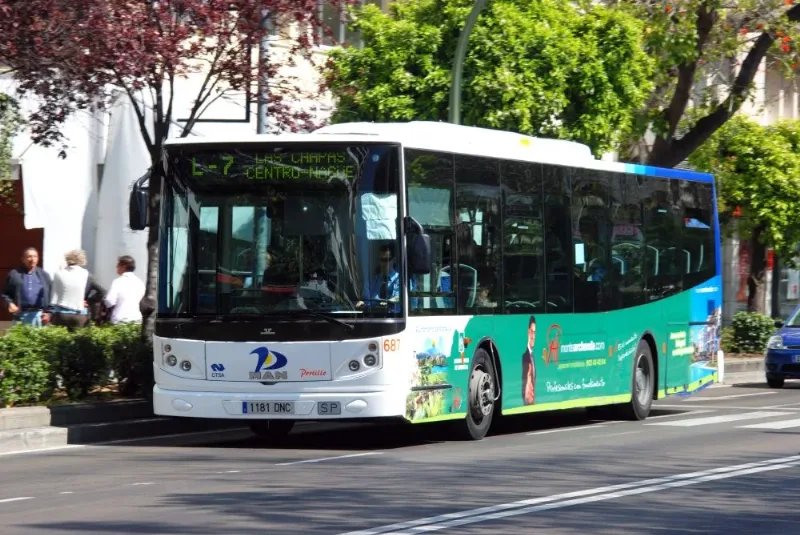
Buses and trains can arrive early, late, or exactly on time. You never really know.
Do Not Trust Google Maps Hours
Opening hours online are not always accurate. Call ahead if it matters.
Formality Is Rare
People are warm and informal. Titles and stiff language are not expected.
Family And Community
Family Is Central
Multi-generational gatherings are common and lively.
Holidays Are Frequent
Spain has more public holidays than you might expect, including national, regional, and local celebrations. If one falls near a weekend, expect a puente, where people take extra days off to create a long weekend.
Work, Style, And Nightlife
Work Moves At A Different Speed
Long lunches and relaxed afternoons are still common in many jobs.
Style Is Important
People generally dress neatly in public. Casual does not mean sloppy.
Affection Is Public
Hand-holding, hugging, and kissing in public are normal and unremarkable.
Nights Go Late
Bars and clubs often stay busy until sunrise, even on weekdays.
Personal Interaction
Small Talk Goes Deeper
Conversations often move beyond the weather in minutes.
Personal Space Is Smaller
People stand closer when speaking. It is part of the culture.
Living in Spain is not about memorising rules or trying to adapt overnight. It is about easing into a different rhythm and learning to enjoy the pace, the noise, and the quirks. Some days you will love the chaos, other days you will need a deep breath and a glass of wine.
The longer you are here, the more these habits become second nature. You stop looking at the clock so much. You greet people without thinking. You join in the conversation in the waiting room. And you begin to realise that Spain’s way of doing things is not just different — it is a reminder that life is meant to be lived, not rushed.






Comments (2)
Asim · 5 months ago
It really helped :)
Asim · 5 months ago
Looking forward