


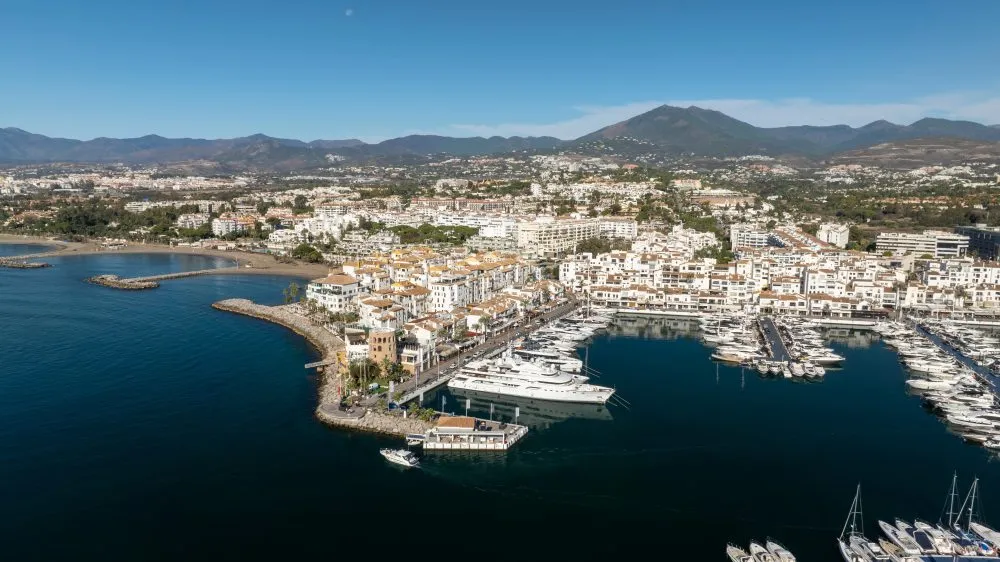
Puerto Banús is the harbour most people think about when they hear Marbella. Yachts, designer stores, Ferraris, Lamborghinis on the roundabouts. That’s the glossy picture. The reality? It’s also loud, chaotic, sometimes trashy, and full of stories you won’t read in any brochure. I know because I grew up here, spent too many teenage nights sneaking into its clubs, and saw Banús at its best and worst.
A Harbour Born to Rival Saint-Tropez
Puerto Banús was built in 1970 by José Banús, a developer with the ambition to turn Marbella into Spain’s Saint-Tropez. He succeeded. The opening party was attended by Prince Rainier and Grace Kelly, setting the tone from the start.
The harbour is about 40 minutes from Málaga Airport and 45 minutes from Gibraltar. It sits west of the Golden Mile and east of San Pedro de Alcántara. Sean Connery owned Casa Malibu, a villa right on the beachfront, cementing the area’s Hollywood ties early on.
The Rise, Fall, and Reinvention of Banús
The early years were pure glamour. Superyachts pulled in, luxury stores opened doors, and celebrities made Banús their playground.
But in the early 2000s, the glitz faded. Prostitutes lined the second line, soliciting you openly every few steps. Drugs weren’t hard to find, they found you. Fake handbags were shoved in your face around every corner. What was meant to be Marbella’s shining jewel started looking more like a trashy strip.
I was a teenager in those years. Nobody checked IDs, so we slipped into everywhere. News Café was the first club I managed to sneak into. Astral gave me my first mega sized cocktail. Dreamers, just a few steps above the harbour, was legendary. Those nights defined Banús for a generation of us.
These days, Banús has polished itself back up, but the grit hasn’t gone away. It just coexists with the glamour again. The old bullring has been reborn as Marbella Arena, now hosting concerts, MMA fights, and events instead of bulls. Some locals embrace the change, while others hold on to the identity it always had.
Cars, Yachts, and the Obsession With Being Seen
Cars are as much part of Banús as the yachts. Ferraris, Lamborghinis, and the occasional Bugatti circle the roundabouts in an endless loop. In August, young tourists set up foldable chairs just to film the parade and post it on social media for views.
Inside the harbour you’ll see supercars lined up like trophies. Some of them are rentals, rented as full Banús packages with port access, open bars, and the keys to a shiny fast car. For a few hundred to a couple of thousand euros a day, anyone can play the part. It is the quickest way to feel like a star, at least for an afternoon.
Mooring a yacht is another game entirely. A small boat space might cost a few thousand a year, while a superyacht berth can cost well into six figures. Visitors pay per day. And if you don’t own one, rentals are everywhere, from jet skis to full day charters.
Shopping and the Designer Mile
Puerto Banús is basically an open air luxury mall. Dior, Louis Vuitton, Dolce & Gabbana, Gucci, Hermes, they’re all here. The Dolce & Gabbana store towards the guard tower even has a rooftop bar, great for cocktails.
El Corte Inglés, the giant department store towards the back of the harbour has almost everything. Ground floor: perfumes, shoes, supermarket. Minus one: sports, kids, daily essentials. Upper floors: electronics, interiors, kitchenware. The top levels hide a gourmet boutique that’s world class with wines, cheeses, delicacies, and fine restaurants that most tourists don’t even know exist.
On the flipside, walk one block back and you’ll still find vendors pulling fake bags out of blankets, ready to casually scatter when police arrive.
Eating and Drinking in Banús
Some restaurants are institutions. Los Bandidos has made a name for itself. Picassos is the go to for Italian which has the longest cues. Both are still staples of the harbour.
The nightlife is where Banús’ double personality shows most. Vuduu, BO, Mirage, clubs popular with the younger crowd, often magnets for fights. Around Plaza Antonio Banderas, where the big commercial centre sits, nights can get messy fast. Striptease joints? Still nearby, not hiding at all.
Beach clubs are another chapter. Ocean Club is one of the most famous on the Costa del Sol, with champagne wars and sunbeds costing as much as an apartment’s monthly rent. La Sala by the Sea is another big name with its own loyal following.
Then there’s La Sala in Nueva Andalucía. Not technically Banús, but part of the experience. Breakfast in the morning, brunch through the day, dinner and live music in the evening, and by midnight it’s a full blown disco. Kitchen closes at midnight, the music never does. It’s always full. UK footballers are among the shareholders, and the UK reality show Life on Marbs was shot here.
Don’t forget the rooftop bar in Benabola hotel, kinda hard to get to if you dont know… You have to walk into the hotel and ask the reception for a lift card. once you’re up there you can call and thank me. most people dont find
Nueva Andalucía | The Other Side of Banús
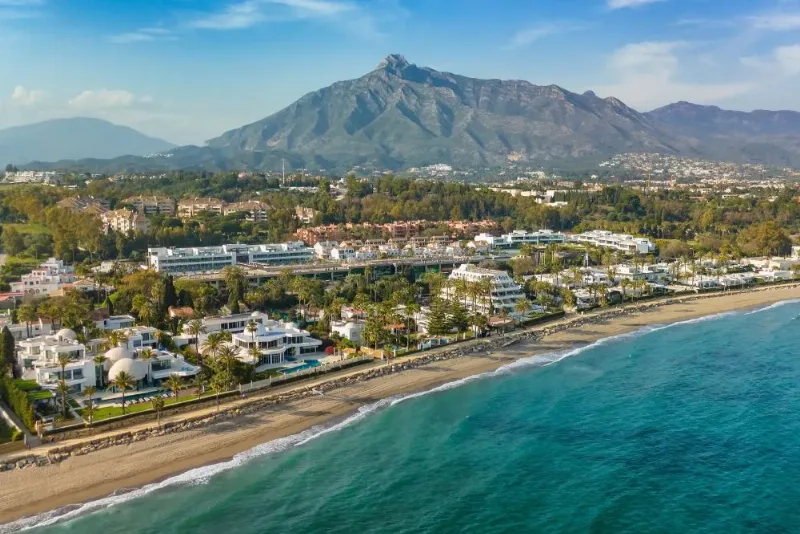
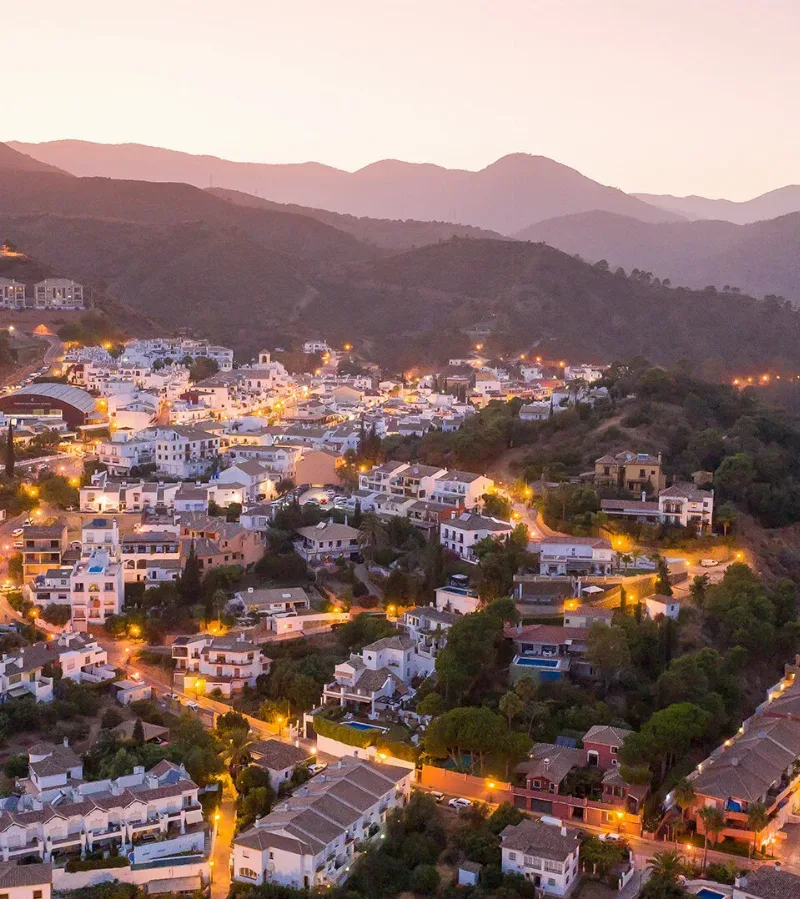
Nueva Andalucía is the hillside neighbourhood just above Banús. Agents often stretch the definition and call anything above the harbour “Nueva Andalucía.” And they’re not wrong, because that’s what buyers want to hear.
Every Saturday the road by the bullring shuts down for the market. It’s chaos for drivers, but the market is worth it. Clothes, jewellery, fruit, pottery, bags — all the usual suspects, but more expensive than in nearby towns. It runs all the way up to Centro Plaza, a Scandinavian heavy commercial area with Swedish banks, real estate agencies, brunch cafes, and Spisa, the Swedish supermarket I find myself in often.
The roundabout is a hotspot of its own. Mr Noodles serves quick bites, Breathe has its café and bakery downstairs, restaurant in the middle, and rooftop Air upstairs. Occo, started by Swedish entrepreneur Eric Ebbing, is a Lebanese restaurant and nightclub that pulls in Scandinavians like moths to a flame.
The Hard Rock Hotel is here too, with a casino inside. Around it are juice bars, Brödernas burgers, restaurants and more brunch stops.
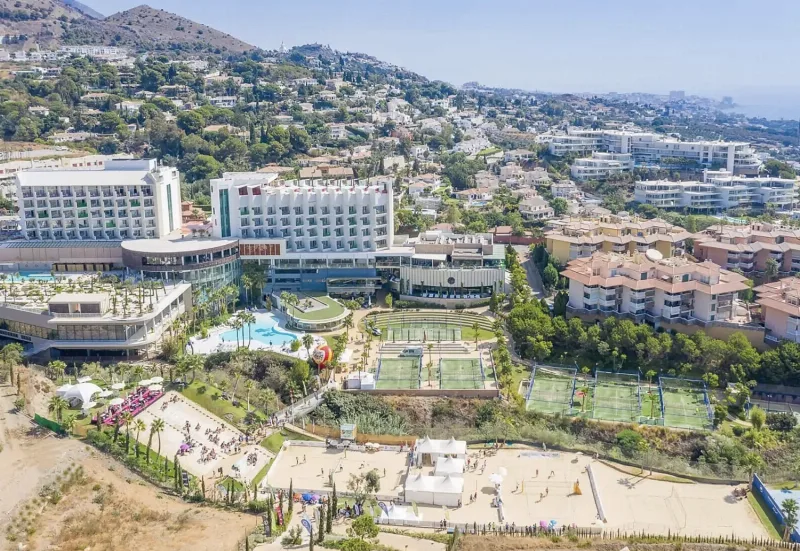
And then there’s the Real Club de Padel. It is not just a sports club. DJs blast music by the pool, MMA fighters spar in an octagon, bodybuilders pose shirtless, and girls train without smudging their makeup. The whole place runs on testosterone. I started going back in 2016, when it was just beginning to blow up. Even if it is not your scene, it is worth experiencing at least once.
Next door was the infamous Sisu Hotel, once the backdrop for some of the wildest staff parties Marbella had ever seen. I was around in those days, so I remember the chaos well. Controversy followed it everywhere, and when it finally burned down, most locals knew it was deliberate.
Where to Live | Property and Communities
Nueva Andalucía is one of the coast’s strongest rental markets. A two bedroom apartment here can pull €2,600 a week in peak summer easy.
Most urbanisations were built in the 80s and 90s, very few modern projects exist. Isla Bela is being rebuilt from an old skeleton left unfinished for years. Celeste is another modern development. Developers like Solvilla and TopGestión are building villas that start at €5M and go up way more.
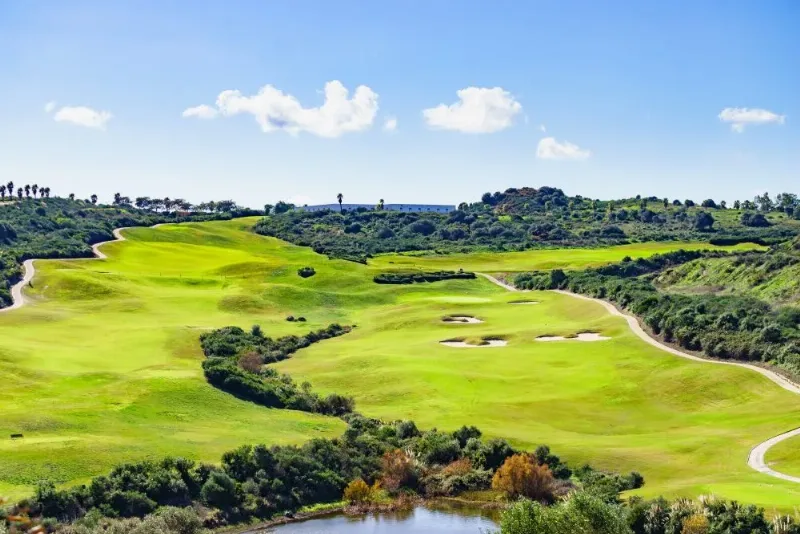
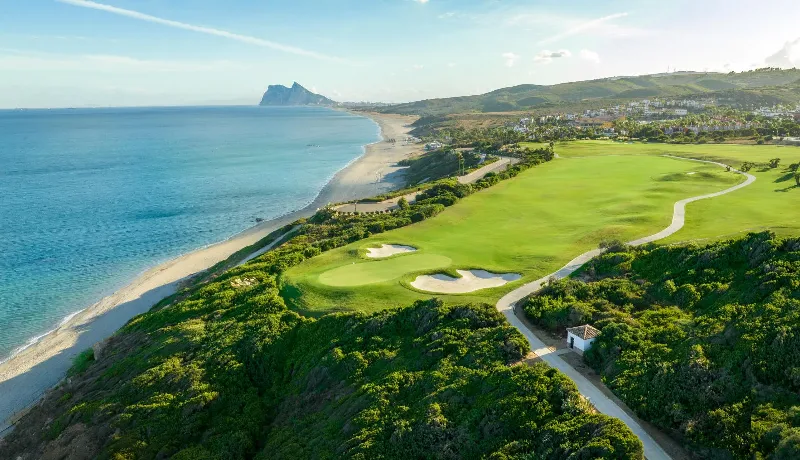
This is also Golf Valley. Los Naranjos, Las Brisas, and Aloha are the big three. Magna Golf is the budget option but has a driving range that’s perfect for beginners. Los Naranjos leans Scandinavian, complete with Swedish meatballs on the clubhouse menu, and has recently added a padel club with a full Gymleco gym for members.
Communities are a minefield. Aldea Blanca, Medina de Banús, and certain blocks of La Maestranza are solid. Others? Less so. Back in Marbella’s previous mayor Jesus Gil’s era, nearly everything got a license. After his fall, many were revoked, leaving some developments in legal limbo. That doesn’t mean they’ll be demolished, but it does mean some banks won’t finance them and rentals can be a headache. Proper tourist licenses are required for Airbnb and Booking, and some communities ban them altogether.
Location sells here. Nueva Andalucía is walking distance to Banús, but still residential enough to feel like home. For some, that balance is worth the noise.
The Food Strip Along Avenida del Prado
Further up the hill, Avenida del Prado has its own food scene. Mosh Fun Kitchen by the Mosh Group was revolutionary a few years back. Brasserie Astoria is a Swedish backed brasserie with Nordic precision and Mediterranean flair. It has quickly become one of Nueva Andalucía’s standout dining rooms. Anything with a Swedish touch seems to thrive here. Others try and fail, but those two nailed it.
Everyday Life and Chaos
Nueva Andalucía stretches into La Campana, once just car garages and mechanics. Today it’s full of affordable new builds like Albatros, Jardines, and Aires de Guadaiza. Prices started around €300k and have been steadily climbing. Some are rental machines, others money pits. Depends which one you land in.
Traffic here is the worst on the Costa del Sol. The A7 stretch past Banús is jammed daily, not just in summer anymore. The tunnel under the highway historically floods whenever it rains. On Saturday market days, locals avoid it entirely.
The saying goes, nothing good happens in Banús after midnight. And many locals agree. Restaurant prices have pushed them out, and nostalgia runs strong. Old photos circulate in Facebook groups like Marbella de Ayer y Hoy, showing how empty this coast really was before the 80s boom.
Events and Changing Tourism
Banús has seen it all. From luxury car rallies to its own Grand Prix style events, from the Marbella Luxury Weekend with designer showcases to modern MMA fights at Marbella Arena.
The Ironman Marbella triathlon often runs through this area, closing roads and filling the streets with athletes.
Tourism shifts with the calendar. June is packed with Northern Europeans. August brings visitors from the Middle East escaping higher heat at home. September is my favourite, the water is still warm, the staff are more relaxed after high season, the streets are calmer, and the visitors are the kind who choose to extend their summer rather than follow the school holiday rush. Winter is quieter, mostly locals and long term residents.
Schools and Families
Families looking to settle here have options. Aloha College, the Swedish International School, and the American College are all nearby. Laude in San Pedro and Atalaya further west are also popular. For British expats, Food and Co (formerly Iceland) stocks the essentials from Colman’s mustard to cheddar cheese.
The Future of Banús and Nueva Andalucía
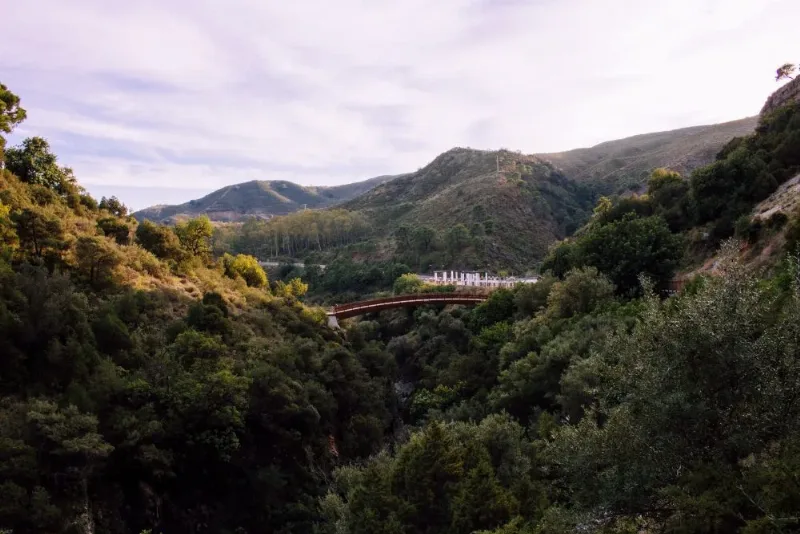
A new riverwalk is under construction along Arroyo Benabola, due to finish in 2026. It will have benches, lights, and cameras. Locals hope it solves some of the flooding and traffic issues, though most remain sceptical.
Despite the chaos, property demand never slows. The post covid rush saw some people pay top dollar for apartments but pricing is stabilizing. Banús and Nueva Andalucía remain at the centre of Marbella’s international reputation, for better or worse.
Closing
Puerto Banús and Nueva Andalucía are noisy, chaotic, glamorous, ridiculous, and addictive. Marbella would not be Marbella without them. You might come for the yachts, the golf, the shopping, or just to sit on a foldable chair and film Ferraris. Whatever the reason, you cannot ignore this place.



Comments (0)
No comments yet. Yours can be the first.