


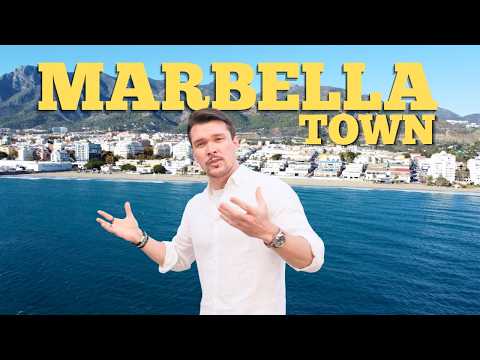
Marbella is a name that echoes far beyond Spain’s borders. For some, it is the image of yachts and Ferraris gliding through Puerto Banús. For others, it is the charm of a whitewashed Old Town scented with orange blossoms. And for those of us who actually live here, it is all that plus the quirks, contradictions, and little details you only get to know over time.
In 2024, Forbes named Marbella the “Destination of the Year” which was a title well earned. The municipality stretches from San Pedro de Alcántara in the west to Elviria in the east, with Marbella town and its historic Old Town sitting in the middle. Yes, Puerto Banús is part of Marbella’s postcode, but it is not Marbella town. And there is a lot more to this place than the glitzy harbour.
A Town of Three Harbours
Most people know Puerto Banús, but Marbella actually has three harbours. There is the old fishermen’s harbour which still feels like a working port. There is the Puerto Deportivo in town, with its mix of bars, restaurants, and nightlife. And then there is Puerto Banús itself, the magnet for superyachts, luxury cars, and luxury shopping.
Puerto Banús deserves its own guide, but here is the short version. This is where you will find Lamborghinis, Ferraris, and McLarens looping the same roundabouts so their drivers can get filmed for social media or pickup girls. Mooring fees for the largest berths are steep enough to equal a salary for many people, and some yachts are so big they simply do not fit inside the harbour. In summer, there is a visible battle for the biggest mooring, and sometimes for the flashiest car in the front row.
Unlike the Golden Mile, Puerto Banús is unapologetically new money. Here, brands are worn big and bold. People dress to be noticed. Wait long enough in the same spot and you might see the same Ferrari circle past a few times just to make sure it has been seen (hint, you can rent them too). All the major luxury brands are here, from Dolce & Gabbana to Rolex, Saint Laurent, Louis Vuitton, and more. El Corte Inglés, the massive Spanish department store, sits just a short walk away, with an upper level gourmet section for imported wines and cheeses.
In recent years, new management under Cívitas has tightened security and introduced rules to restore some of the old glamour, such as no shirtless wandering. But the reality is, millions visit every year, and the less polished second line street still hosts Irish pubs, discos, strip clubs, and more than a few late night dramas. I spent much of my early adult life here when that was my scene. Now, I am more of a sit in the daytime with an overpriced coffee and people watch kind of guy.
For the older crowd, Sinatra Bar and Joys are still worth an evening stop.
Whether you love it or roll your eyes at it, Puerto Banús still puts Marbella on the global map for luxury travel.
From Sugarcane to Steel
Before the glamour, Marbella’s coast was lined with sugarcane plantations. Later, iron ore mining dominated, with railway tracks running from the mountains right into the sea. Today, the last remnant is a rusting tower in the water, a quiet monument to Marbella’s industrial past.
The Old Town | Layers of History
Marbella’s Old Town is a living museum. Phoenicians, Romans, and Moors all left their mark. The Muslim era street layout was strategic — narrow, shaded alleys kept the town cooler in summer and channelled invading armies into single file, making them easier to defend. After the Christian reconquest, streets were renamed, plazas were created, and churches replaced mosques.
Plaza de los Naranjos is the most famous, lined with orange trees and home to the Town Hall. Look closely and you will see details that tell the town’s story, like the slightly off centre church which sits on the site of an old mosque still facing Mecca.
Inside the Iglesia de la Encarnación is a massive multi ton organ, still played during weddings and communions. Franco and his wife confided here, adding yet another layer to its history.
Secrets and Scandals
The castle walls still stand, a reminder of Marbella’s fortified past. On my tours, I like to point out a very special stone there, but I only show it to clients in person.
Modern history has its own drama. The backdoor bridge of the Town Hall has become infamous for being the discreet exit for politicians caught in corruption scandals.
Eating Your Way Through Town
Marbella Old Town is full of restaurants, from fine dining to casual tapas. Prices are higher in the main squares, but if you wander deeper into the side streets you can still find hole in the wall spots where locals eat.
Some of my personal picks:
• Casanis – French bistro with an excellent wine list for when you crave something from Burgundy or Bordeaux.
• Tablao Flamenco – Not a staged tourist show but an intimate, raw flamenco performance hosted in a private home.
• Casablanca Tapas – Must visit! Affordable, fast, and always busy. Expect a queue in summer.
• Hacienda Patagónica – Argentine grilled meats and cheeses worth the trip.
• La Venecia – Loud, lively, and very Spanish.
The Paseo and the Puerto Deportivo
Marbella’s main road, Ricardo Soriano, runs through the heart of town, lined with shops, notaries, and offices. Towards its eastern end is Parque de la Alameda, shaded and historic, with a surprisingly manageable underground car park.
From here you can stroll past Dalí statue replicas along the blue and white tiled paseo. Palm trees give you shade, parrots chatter above, and street vendors appear in a daily dance with the police. Tapas bars offer endless small plates starting at one euro each.
Continue south west to the Puerto Deportivo (Marbella’s Harbour), where the front row is a magnet for younger nightlife and the back row offers pubs and bars for a more mature crowd. Things can still get lively late at night.
Hotels, Stays, and Property Prices
The El Fuerte hotel has just undergone a major transformation and now stands proudly on the beachfront. For more charm, Airbnb and boutique hostals inside the Old Town deliver atmosphere, though parking will test your stress levels.
Property prices range from around two hundred thousand euros for small one bedroom units to several million for modern or fully renovated larger apartments. The Cost of living is comparable to other parts of Spain. Rental demand is high, and so is competition, rules and regulations are a maze and restrictions loom.
Beyond the Centre
Over the motorway is La Cañada Shopping Centre, one of the largest in the region. Here you will find everything from Zara, H&M, Primark and Mango to a large supermarket, DIY store, electronics retailers, a cinema, and plenty of restaurants. Parking is generous but fills fast on rainy days. Expansion plans aim to grow it from one hundred thousand to one hundred and twenty thousand square metres.
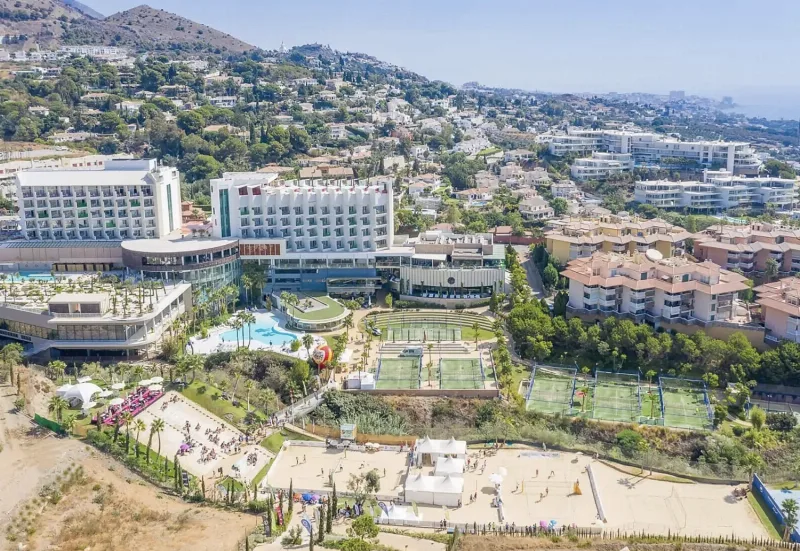
To the east is Los Monteros, home to the Costa del Sol’s largest public hospital and some more of Marbella’s most exclusive properties. In the hills above, there is a hotel and stables for wealthy equestrian enthusiasts.
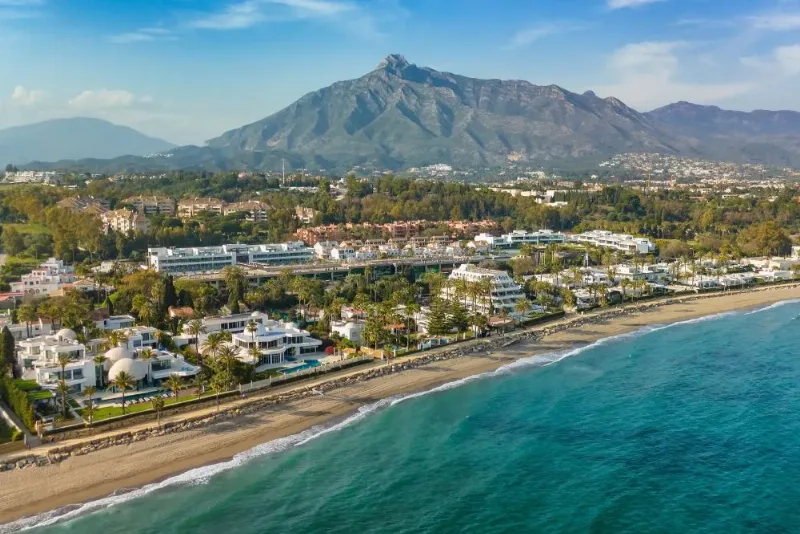
North of Marbella rises La Concha, the mountain that shapes the town’s skyline which you won’t get tired of seeing. Many locals choose mountain views over sea views for less afternoon sun in summer. In its foothills, urbanizations like Sierra Blanca hold some of the coast’s most expensive villas, many owned by high profile residents.
Festivals, Beaches, and the East West Divide
Every summer, Marbella hosts an international music festival that draws global artists. East towards Elviria, beaches are wider and softer. West towards the Golden Mile, they take on a more exclusive feel.
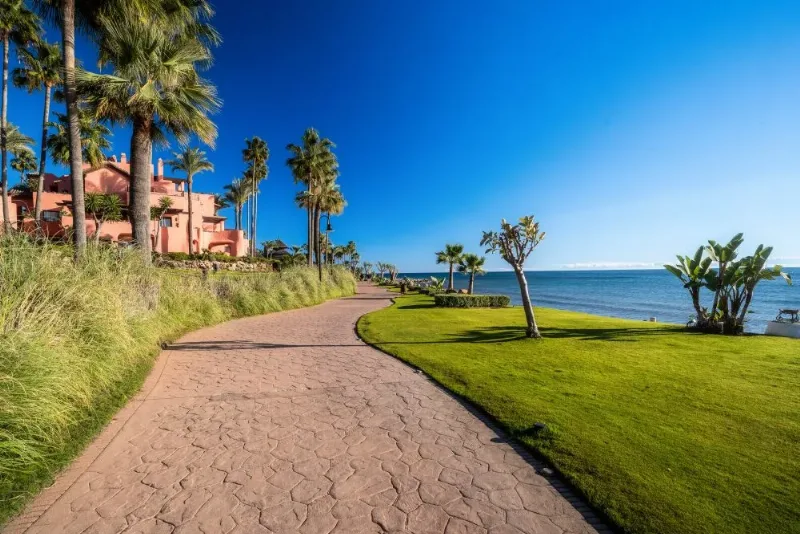
Unlike the Golden Mile’s more rustic boardwalk, Marbella’s paseo is fully paved in blue and white tiles, lined with palm trees, and dotted with restaurants and cafés. It is a route you can walk for years without tiring of it.




Comments (1)
Scott Herd · 5 months ago
Super video Filip, very informative and very well put together