


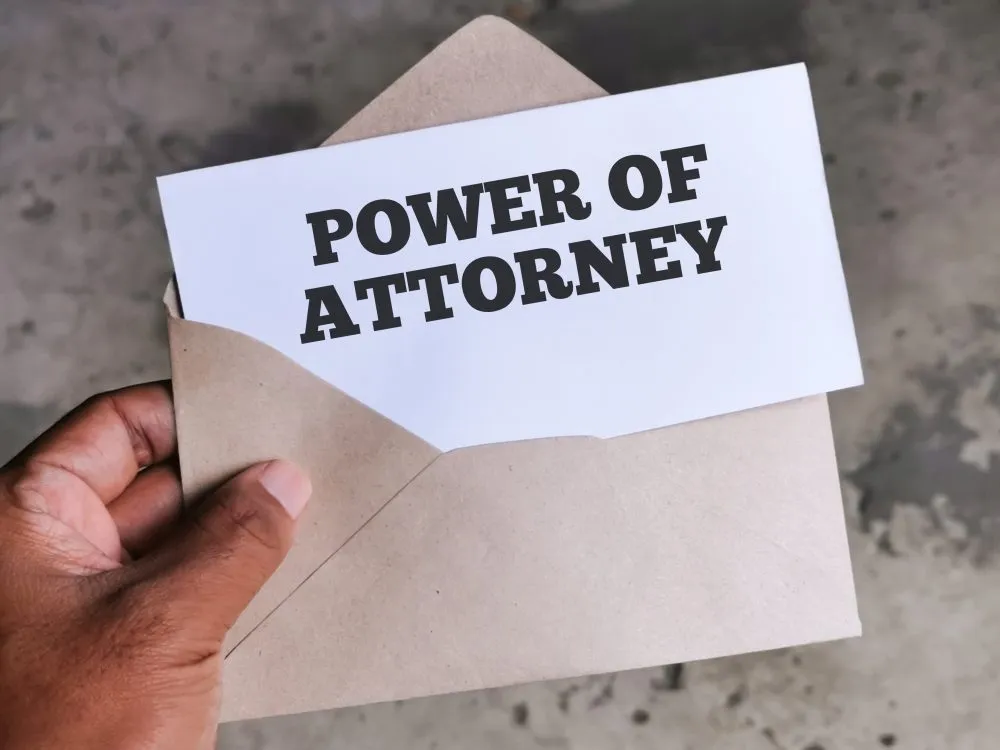
A Power of Attorney (POA) is one of the most important steps in buying property in Spain. In Costa del Sol, it’s something I always recommend my clients sign early in the process, ideally right after finding a property they like, even if it’s not the final choice. It speeds things up, helps with negotiations, and often saves money. But for many, the idea of signing over legal power to a lawyer they’ve just met in a country they don’t fully know yet can feel daunting.
This guide walks you through what to expect, why it’s useful, and how to make sure you’re comfortable with the process.
Why Is a Power of Attorney So Important
Once you’ve found a property and agreed on the price, things move fast. At this stage, buyers are usually scrambling, coordinating deposit transfers, negotiating terms, dealing with their bank blocking transactions, and trying to get everything in order. (You can also find two guides I wrote on the process itself, one for new developments and another for resales.
If you haven’t signed a POA yet, your agent should connect you with a lawyer or law firm they trust. The lawyer will then arrange a notary appointment where you formally grant them the authority to act on your behalf.
(Click HERE for the lawyers’ guide and how to find one)
This allows them to handle almost everything related to the purchase, including:
• Representing you for the purchase and handling all legal steps in your name
• Mediating on your behalf with the seller, developer, or their lawyer
• Applying for your NIE number, the tax ID foreigners need in Spain
• Representing you at the tax office, banks, developers, or mortgage brokers
• Signing documents on your behalf
• Setting up utilities for your new home
• Opening a company if needed for tax purposes
• Handling fund transfers and collecting property keys
• Applying for visas, renovation permits, or rental licenses that might be necessary now or later
Without a POA, you’d have to do all of this in person, which could mean multiple trips to Spain and long waits at various government offices. Even lawyers use POAs when they’re unavailable to sign documents themselves.
The Notary’s Office | What to Expect
Notaries in Spain play a crucial role in legal transactions. Each town has a few notary offices, but they are in high demand. There are hundreds across the coast, yet they always seem few. Their offices are where contracts become official, where buyers and sellers meet for the first time, and where millions of euros in transactions are formalized daily.
One of the most well known notary offices in Marbella is the office of Don Manuel García de Fuentes y Churruca, but no matter where you sign, the process follows a similar structure.
When you step inside, there is a quiet, controlled energy to the place. The sound of printers, low murmured conversations, the clicking of keyboards. Glass walled rooms line the office, where lawyers sit with their clients at transparent tables, reviewing documents one last time. The walls are lined with legal books, framed artwork, and neatly stacked binders, giving the place a sense of permanence and importance.
Your lawyer moves quickly. First, they need to secure a clerk to start processing your POA. This means photocopying your passport, checking every name and number, and making sure everything is spelled correctly. Any mistake here can cause delays.
Before anything is signed, your lawyer sits down with you to go through the document in detail. This is your moment to ask questions. They explain exactly what powers you’re granting, what’s included, and what isn’t. The document will say something like:
“Mr. and Mrs. Peretz, of legal age, married under [marital regime], with passports numbered [XXX] and [XXX], residing at [address], grant power to Mr. X, lawyer of [law firm], to act on their behalf in all matters related to the purchase of the property at [address], including but not limited to signing contracts, handling payments, and representing them before financial institutions and public authorities in Spain.”
It’s a formal, structured document, but your lawyer ensures you understand every part of it. This is when wording can be adjusted if needed. Once the notary arrives, there are no more questions, just the signing.
The Notary and the Final Signing
Nothing moves forward until the notary arrives. Notaries in Spain hold immense responsibility. They are not just overseeing the signing but legally validating that everything is correct, that identities match, and that the parties involved understand what they are signing. If there is an issue, the process stops immediately.
When the notary gets called and finally steps into the room, conversation stops. Lawyers sit straighter, clients instinctively pay attention. They greet the room, acknowledge everyone, and get straight to business.
Their process is deliberate. First, they check the document against your passport. Name, passport number, everything must match. They read through the document under their breath, murmuring as they verify that each clause is correct.
Then, the signing.
You go first. If you’re buying with a partner, they sign next. Your lawyer follows. And finally, the notary places their distinct signature, the final mark that makes it official.
With that, the POA is now legally binding. The notary gives a brief nod, sometimes a quick “Gracias” or “Enhorabuena” before moving to the next room, where another set of lawyers and clients are waiting.
Outside, the office continues as it always does. Lawyers guide their clients through deals, agents wait for contracts to finalize, sellers and agents impatiently wait for their bankers drafts.
Some clients leave relieved, others still processing what they’ve just signed.
For you, this is just one step in the process. For the notary, it’s another signature in a long day of legal formalities. But no matter how routine it is for them, it’s the moment that makes everything real.










Comments (0)
No comments yet. Yours can be the first.