


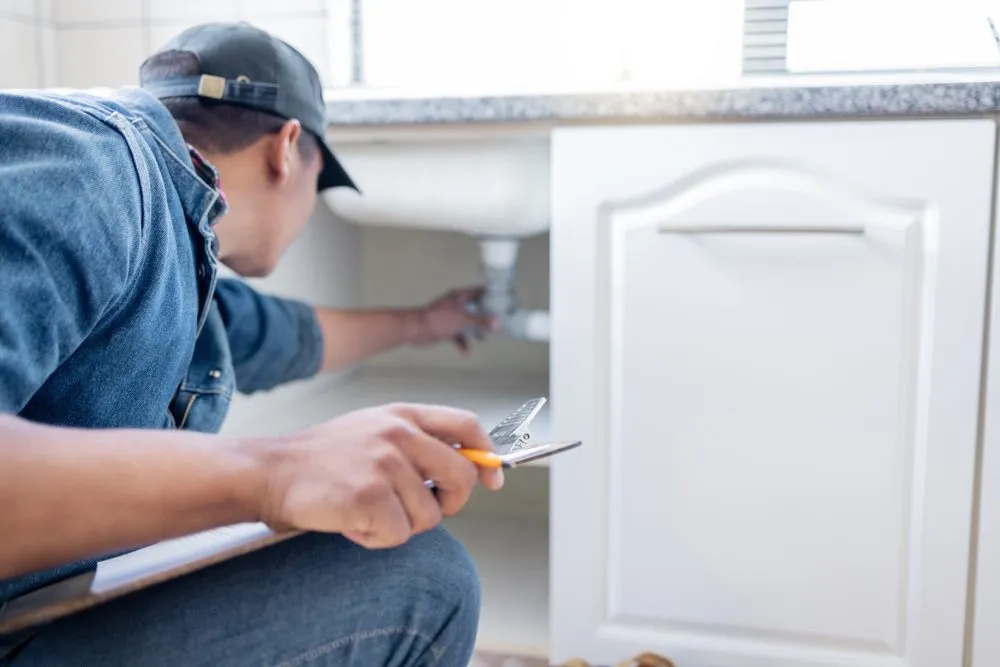
What Is a Snagging List
Buying a new home is like buying a pair of shoes. It should be spotless and perfect. But let’s be honest, your new property will have issues. Even the most luxurious developments aren’t immune to flaws. It’s a reality of large scale construction, where the focus is often on speed over precision.
This is where snagging lists (punch lists) come in, your opportunity to report damages, poor finishes, or construction flaws to the developer so they can fix them.
A snagging list is a detailed report documenting the damages, bad finishes, or flaws in your new home. It ensures the developer fixes these before you move in or start using the property. This is a critical part of the buying process in Costa del Sol.
Legitimate snags can include:- Chipped tiles, cracks in walls, misaligned ceiling lights, or leaky taps
- Poor paint jobs, gaps in flooring, or scratches on cabinetry
- Faulty plumbing, switches that don’t work, or doors that don’t close properly
- Wishing you’d chosen a different countertop or tile
- Asking to replace materials already installed
- Adding features or making changes that weren’t part of the original design
A snagging list focuses on the condition and finishes of your home, not on design changes or regrets.
Why Snagging Matters
Imagine you’ve moved in, poured yourself a glass of wine, and sat down on your sofa. You look up and there it is, a misaligned ceiling light and a paint chip above it. Or you open a door, and it scrapes the floor. For me, that would drive me mad, knowing I could’ve had it fixed for free by the developer.
This is the point of snagging, ensuring your home meets the standards you paid for and saving you from unnecessary expenses later. If you miss anything on your snagging list, you can add to the hidden cost of buying a property.
When Should Snagging Happen
Ideally, snagging happens before handover, during the walk-through with the developer’s representative. Not everyone gets that window, but if you do, use it. Findings can be registered directly in their system before you even sign.
If that’s not possible, do it as soon as you get the keys. Most developers give you 30 days to submit your list, but some will push for less.
You need water and electricity connected to properly check for leaks, pressure, or faulty electrics. Setting up utilities can take longer than expected, sometimes weeks, due to delays in documentation, holidays, or waiting for an electrician to connect your home to the grid.
Agree on a reasonable snagging period before signing anything to avoid running out of time to identify issues.
Tips for a Smooth Snagging Process
- Do it before moving in, developers might claim you caused the damage during the move
- Have utilities connected, test everything from taps to sockets
- Be persistent, developers often need reminders to finish repairs
Why Hire an Independent Architect
Unless you’re experienced in construction, you’ll likely miss issues that could cost you later. An independent architect has the expertise to spot what you can’t.
One architect I’ve trusted for years (nicknamed “The Danish Man with the Stick”) is incredibly thorough. He once flipped a light switch 30 times because it wasn’t clicking properly. He taps on tiles to check for hollow spots, tests plumbing and electrics, and documents everything with timestamped photos and notes in Spanish and English.
A professional inspection covers all accessible areas of the property: walls, ceilings and floors, doors and windows including alignment and sealing, kitchen and bathrooms, installed appliances, air conditioning, electrical outlets, visible plumbing, and exterior elements like terraces and facades. It’s non-invasive, meaning no drilling or opening up walls, but it’s thorough enough to catch the vast majority of issues.
However, even the best architects are human. After checking hundreds of faults, they might miss something. It’s rare, but worth keeping in mind.
Developers sometimes offer to send their own snagging team, assuring you it’s perfect. In most cases, their team works for them, not for you. Some outsource aftersales to independent companies, but you’ll still want someone on your side.
What architects provide:- A detailed PDF report with photos and notes
- Documentation of visible and hidden issues, making it harder for developers to dispute
Cost: For a 2-3 bedroom apartment, expect to pay €500-1,000 depending on size.
Real Life Snagging Issues I’ve Seen
Some snagging lists are simple, others shocking. I’ve seen misaligned drawers, broken glass panes, non working sockets, bad finishes, uncleaned homes and even toilets that wouldn’t flush. One client found Coke cans left behind and nails still in walls.
But for the most part, snagging lists reveal common finishing issues like paintwork, uneven tiles, or scratches, all the developer’s responsibility to fix. If you don’t catch the damages within the initial period, you have just added more to the hidden cost of living in Costa del Sol.
How the Snagging Process Works
The Walkthrough Your architect (or you) inspects the property and documents all issues.
Submitting the List Developers have different systems. Some accept PDFs and photos, others have clunky portals that make it painful. A professional report helps ensure everything is documented properly.
The Repairs Once your snagging list is submitted, the developer schedules repairs. Usually, they do all units in batches. This can take days, weeks, or months. Once submitted, you can move furniture in, knowing your issues are logged.
The Follow-Up This step most buyers skip. When the developer says repairs are done, get someone back in to verify. Not every fix is done properly the first time, and once you’ve accepted the work, it becomes much harder to push back.
Final Thoughts
Snagging lists aren’t just a formality, they’re your chance to ensure your home is delivered as it should be. Whether it’s a chipped tile, faulty plumbing, or a ceiling light slightly off centre, developers are responsible for fixing legitimate issues, but only if you document them.
If you want recommendations for trusted architects like “The Danish Man with the Stick,” feel free to reach out.
Watch my video for more insights!
Written in collaboration with Thomas la Cour “The Danish Man ” Bidstrup
Technical Architect at ArquiStruct
http://www.arquistruct.com











Comments (0)
No comments yet. Yours can be the first.